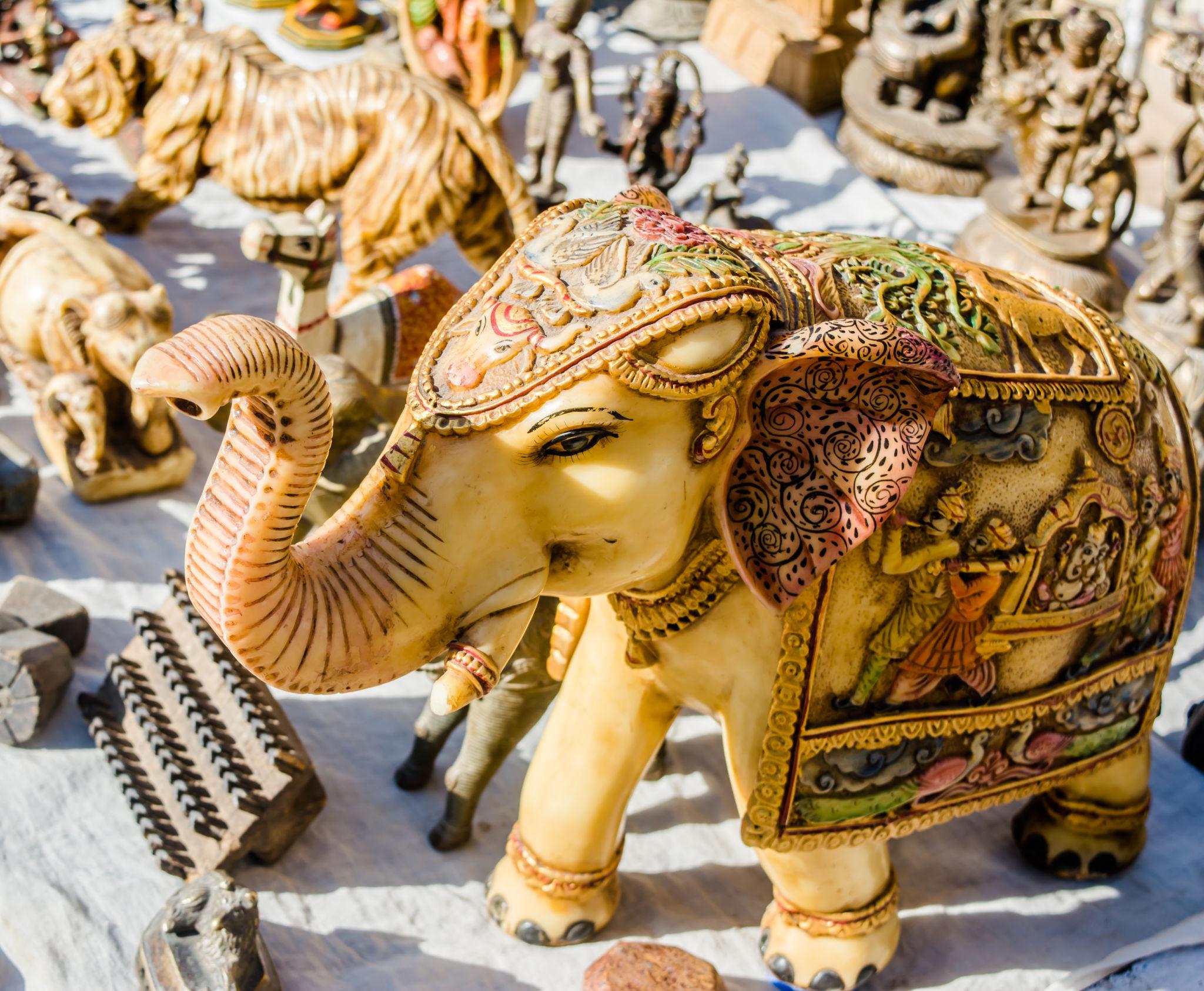
Marble Handicrafts in Rajasthan: Legacy, Craftsmanship & Cultural Grandeur


Rajasthan, often celebrated as the “Land of Kings,” is equally renowned for its extraordinary handicrafts. Among its many artistic traditions, marble handicrafts hold a prestigious place due to their elegance, durability, and timeless appeal. These crafts are not just decorative items—they represent centuries of skill, heritage, and devotion passed down through generations.
From intricately carved statues to delicate inlay work, marble handicrafts in Rajasthan reflect a deep connection between art, culture, and spirituality. This article explores their history, materials, craftsmanship, types, and modern relevance.
Historical Background of Marble Craft in Rajasthan
The tradition of marble carving in Rajasthan dates back to ancient times but flourished significantly during the Mughal era. The availability of high-quality marble, especially from regions like Makrana, played a crucial role in the development of this craft.
Makrana marble is world-famous for its purity and durability. It was used in the construction of iconic monuments like the Taj Mahal, showcasing the material’s unmatched quality.
During the reign of Mughal emperors, artisans were encouraged to experiment with marble, leading to innovations such as Pietra Dura (inlay work)—a technique where semi-precious stones are embedded into marble to create intricate patterns.
Over time, these techniques spread across Rajasthan, especially in cities like Jaipur, Udaipur, and Jodhpur, where marble handicrafts became a significant part of the local economy and cultural identity.
Types of Marble Used in Rajasthan


Rajasthan is blessed with a variety of marble types, each with unique characteristics:
1. Makrana White Marble
Known for its pristine whiteness and strength, this marble is ideal for statues and fine carvings.
2. Green Marble (Udaipur Region)
This variety features rich green hues and is commonly used in decorative items and tabletops.
3. Black Marble
Used for contrast in inlay work and for creating bold artistic pieces.
4. Pink Marble
Popular for its soft tones, often used in home décor and temple structures.
Each type contributes to the diversity and richness of marble handicrafts in Rajasthan.
The Craftsmanship Process


Creating marble handicrafts is a labor-intensive process that requires patience, precision, and artistic vision. The process typically involves the following steps:
1. Selection of Marble Block
Artisans carefully choose high-quality marble based on the intended design.
2. Rough Shaping
Using traditional tools like chisels and hammers, the marble is shaped into a basic form.
3. Detailed Carving
This is the most intricate stage where fine details are added. Skilled artisans spend days or even months perfecting the design.
4. Inlay Work (Pietra Dura)
Semi-precious stones such as lapis lazuli, turquoise, and jasper are embedded into the marble surface to create floral or geometric patterns.
5. Polishing
The final product is polished to achieve a smooth, glossy finish that enhances the natural beauty of marble.
This entire process is usually done by hand, making each piece unique.
Popular Marble Handicrafts of Rajasthan


Rajasthan produces a wide range of marble handicrafts, each serving decorative or religious purposes:
1. Marble Statues
Statues of Hindu deities like Ganesha, Krishna, and Shiva are highly popular and often placed in homes and temples.
2. Decorative Items
These include vases, plates, lamps, and figurines that enhance interior décor.
3. Marble Furniture
Tables with inlay work, stools, and panels are admired for their luxurious appearance.
4. Jewelry Boxes
Beautifully crafted boxes with intricate designs are commonly used for gifting.
5. Home Temples (Mandirs)
Marble mandirs are a staple in Indian households, reflecting spiritual devotion and artistic elegance.
Cultural and Religious Significance
Marble handicrafts in Rajasthan are deeply intertwined with religion and culture. Many items, especially statues and temples, are created with spiritual intent. Artisans often follow traditional guidelines and rituals while crafting religious pieces, ensuring that the final product holds sacred value.
Marble is also associated with purity and peace, making it a preferred material for religious artifacts. The presence of marble items in homes and temples is believed to bring positivity and harmony.
Economic Importance
The marble handicraft industry is a major source of livelihood for thousands of artisans in Rajasthan. Cities like Jaipur and Udaipur have become hubs for marble artistry, attracting both domestic and international buyers.
Exports of marble handicrafts contribute significantly to India’s handicraft sector. Tourists visiting Rajasthan often purchase these items as souvenirs, boosting local businesses.
However, artisans face challenges such as rising raw material costs, competition from machine-made products, and limited access to global markets. Efforts by government and NGOs aim to support these craftsmen through training, marketing, and financial assistance.
Modern Trends and Innovations
While traditional designs remain popular, modern artisans are adapting to changing tastes by incorporating contemporary styles. Today, marble handicrafts are available in minimalist designs, fusion art, and customized forms.
E-commerce platforms and digital marketing have also helped artisans reach a wider audience. Buyers can now explore and purchase authentic Rajasthani marble handicrafts online, ensuring the craft continues to thrive in the modern era.
Preservation of the Craft
Preserving marble handicrafts requires a combination of innovation and tradition. Training young artisans, promoting handmade products, and raising awareness about the cultural value of these crafts are essential steps.
Organizations and government initiatives are working to provide artisans with better tools, fair wages, and global exposure. Encouraging sustainable practices and ethical sourcing of marble also plays a key role in the craft’s future.