Export Business of Rajasthani Handicrafts (1200+ Words Content)


Rajasthan, the land of kings, is not only famous for its palaces and deserts but also for its rich and diverse handicraft traditions. From vibrant textiles and intricate jewelry to blue pottery and carved wooden artifacts, Rajasthani handicrafts have carved a strong identity in global markets. Over the years, the export business of these handicrafts has grown significantly, contributing to India’s economy while also preserving traditional art forms and providing employment to millions of artisans.
Introduction to Rajasthani Handicrafts
Rajasthani handicrafts represent centuries-old traditions passed down through generations. Cities like Jaipur, Jodhpur, Udaipur, and Bikaner are known as major hubs of handicraft production. Each region specializes in specific crafts such as:
- Blue pottery from Jaipur
- Bandhani and Leheriya textiles
- Marble carvings from Udaipur
- Wooden furniture and antiques from Jodhpur
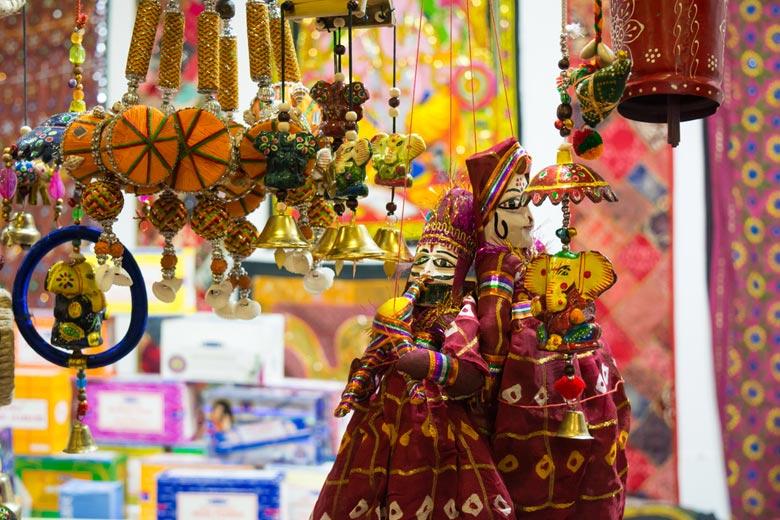
- Leather goods and puppets from Bikaner
These crafts reflect Rajasthan’s cultural heritage and are highly valued in international markets due to their uniqueness and handmade appeal.
Importance of Export Business
The export of Rajasthani handicrafts plays a crucial role in:
1. Economic Growth
Handicraft exports contribute significantly to India’s foreign exchange earnings. The sector is labor-intensive and supports rural economies.
2. Employment Generation
Millions of artisans, especially in rural areas, depend on handicraft production for their livelihood. Export demand ensures consistent income.
3. Cultural Promotion
Exporting handicrafts helps promote Indian culture and heritage globally, enhancing the country’s soft power.
4. Support for Small-Scale Industries
Most handicraft businesses operate as small or medium enterprises. Export opportunities help them scale and sustain operations.
Major Export Products


Rajasthan exports a wide variety of handicrafts. Some of the most popular categories include:
1. Textiles
Rajasthani textiles are among the most demanded products in international markets. Techniques like Bandhani (tie-dye), Leheriya, block printing, and embroidery are widely appreciated. These textiles are exported as sarees, scarves, home furnishings, and garments.
2. Jewelry
Traditional Rajasthani jewelry, including Kundan, Meenakari, and silver ornaments, is highly popular in countries like the USA, UK, and UAE. The intricate craftsmanship and ethnic appeal make these products premium export items.
3. Blue Pottery
Jaipur’s blue pottery is famous for its vibrant colors and Persian-inspired designs. These products include vases, tiles, plates, and decorative items.
4. Wooden Handicrafts
Jodhpur is known for exporting wooden furniture, carved doors, cabinets, and antique-style decor items. These are particularly popular in European markets.
5. Marble and Stone Crafts
Udaipur produces high-quality marble sculptures, decorative items, and inlay work that are exported worldwide.
Key Export Markets
Rajasthani handicrafts are exported to several countries across the globe. Major markets include:
- United States
- United Kingdom
- Germany
- France
- Australia
- United Arab Emirates
These markets prefer handmade, eco-friendly, and culturally rich products, making Rajasthani handicrafts highly competitive.
Export Process of Handicrafts


The export business involves several steps:
1. Product Selection and Design
Exporters identify products based on international demand and trends. Customization is often required.
2. Quality Control
Maintaining quality standards is crucial. Products must meet international quality and safety norms.
3. Packaging
Proper packaging ensures that fragile handicrafts reach their destination safely. Eco-friendly packaging is increasingly preferred.
4. Documentation
Exporters must prepare documents such as invoices, packing lists, certificates of origin, and shipping bills.
5. Logistics and Shipping
Products are shipped via sea or air, depending on urgency and cost. Efficient logistics management is essential.
Role of Government and Organizations
The Indian government actively supports handicraft exports through policies and schemes. Organizations like the Export Promotion Council for Handicrafts (EPCH) play a vital role in promoting exports.
Government initiatives include:
- Financial assistance to exporters
- Skill development programs for artisans
- Participation in international trade fairs
- Promotion of GI-tagged products
These efforts help increase global visibility and competitiveness.
Challenges in the Export Business
Despite its growth, the export business of Rajasthani handicrafts faces several challenges:
1. Competition from Machine-Made Products
Cheap, mass-produced items often compete with handmade crafts in international markets.
2. Lack of Awareness
Many artisans lack knowledge about export procedures and market trends.
3. Quality Consistency Issues
Maintaining uniform quality across large orders can be difficult.
4. Logistics and Cost Issues
High shipping costs and delays can affect profitability.
5. Middlemen Exploitation
Artisans often do not receive fair prices due to multiple intermediaries.
Opportunities and Future Growth


The future of Rajasthani handicraft exports looks promising due to several emerging trends:
1. E-commerce Expansion
Online platforms have made it easier for exporters to reach global customers directly.
2. Demand for Sustainable Products
Eco-friendly and handmade products are gaining popularity worldwide.
3. Customization and Personalization
Buyers increasingly prefer customized handmade items.
4. Digital Marketing
Social media and digital platforms help artisans showcase their work globally.
5. Tourism Link
Tourism in Rajasthan indirectly boosts exports by increasing international exposure.
How to Start a Handicraft Export Business
If someone wants to enter this business, the following steps can be followed:
- Choose a product category
- Register your business
- Obtain IEC (Import Export Code)
- Connect with artisans or manufacturers
- Build an online presence
- Participate in trade fairs
- Partner with logistics providers
With the right strategy, even small businessescs
can succeed in this sector.